
Blockchain and the gaming industry: Real ownership in a licit world

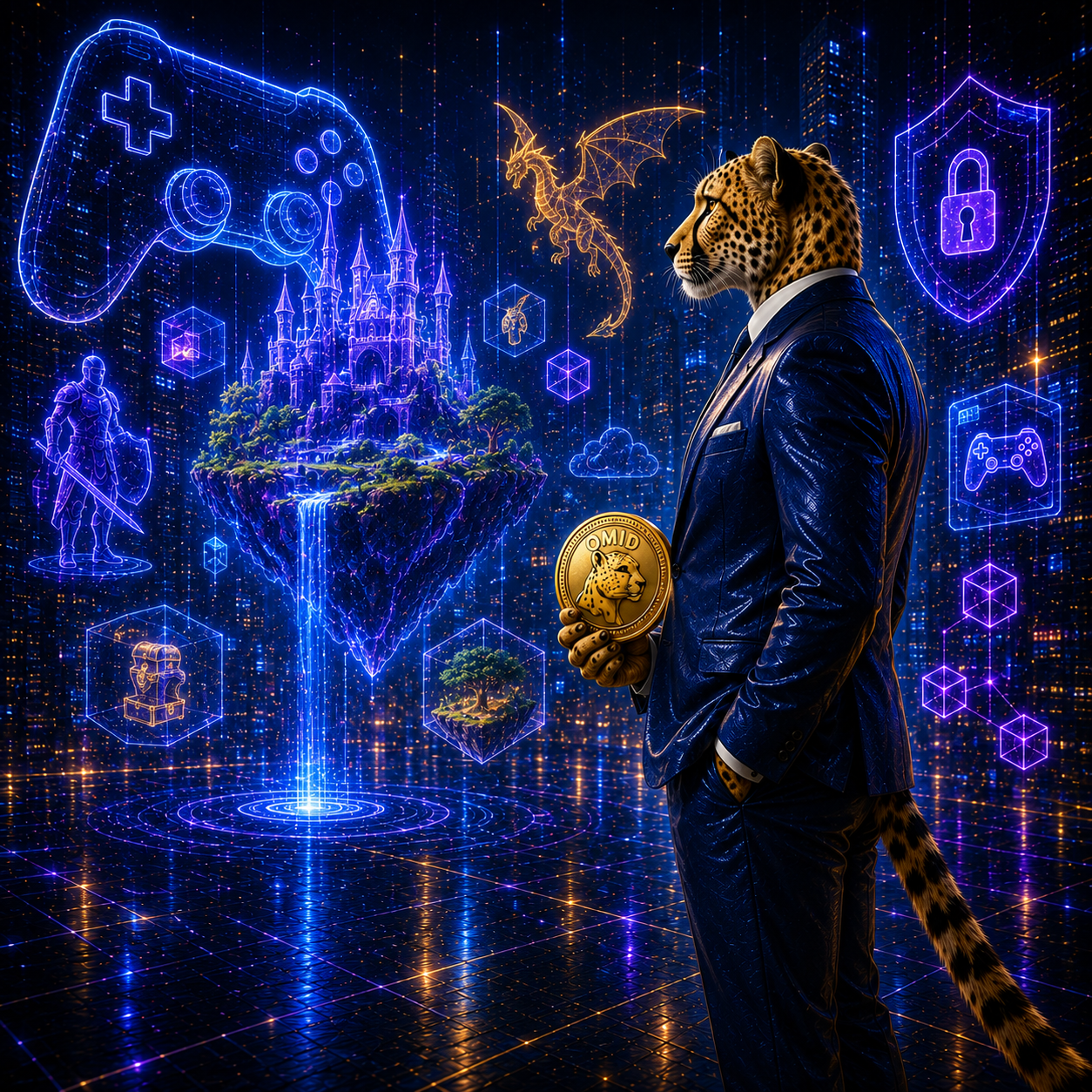
If you’ve invested years of time and money into a video game, but one day you decide to quit the game, what happens to your items, characters, and progress? In traditional games, the answer is simple: nothing. Everything remains on the game company’s servers, and you don’t actually own any of it as real assets.
But blockchain is changing this reality. With blockchain-based games, for the first time, players can truly own their digital assets. Items, characters, and even virtual land can be registered as non-fungible tokens (NFTs) and bought and sold on open markets.
In this article, we explore the transformation of the gaming industry through blockchain and show how this technology is creating a new world of ownership, income, and gaming experiences.
Problems with the Traditional Gaming Industry
1. Lack of True Ownership
| Problem | Description | Example |
|---|---|---|
| Limited ownership | Players only have “permission to use” | Server shutdowns and loss of items |
| Non-transferability | Items cannot be transferred to other games | Investment in one game is wasted |
| Company control | The company can make any changes | Changing game rules or deleting items |
2. Closed Economy
| Problem | Description | Example |
|---|---|---|
| Illiquidity | Items cannot be converted to real money | Selling items in unofficial markets |
| Opaque pricing | Item values are set by the company | Irrational price fluctuations |
| Lack of transparency | Players don’t know the real value of items | Fraud in transactions |
3. Social Limitations
| Problem | Description |
|---|---|
| Limited community | Interactions limited to the same game |
| No interoperability | No collaboration between games |
| Platform dependency | Everything depends on the developer company |
4. Concentrated Revenue
| Problem | Description |
|---|---|
| Unfair share | Companies take the majority of revenue |
| No rewards for players | Players aren’t rewarded for creating value |
| Exploitative models | Game design encourages more spending |
How Blockchain is Transforming the Gaming Industry
1. True Asset Ownership
| Solution | Description |
|---|---|
| NFTs | Items are registered as non-fungible tokens |
| Immutable ownership | Ownership is recorded on the blockchain |
| Transferability | Items can be transferred to other markets |
2. Open and Transparent Economy
| Solution | Description |
|---|---|
| Liquidity | Items can be bought and sold on open markets |
| Price transparency | Prices are determined by supply and demand |
| Real value | Value is determined by the market, not the company |
3. Play-to-Earn
| Solution | Description |
|---|---|
| Earning income | Players earn income by playing |
| Real economy | Connecting in-game economy to the real economy |
| Job opportunities | Creating jobs for players in developing countries |
4. Interoperability
| Solution | Description |
|---|---|
| Cross-game connectivity | Items can be used across different games |
| Unified identity | One identity for all games |
| Connected economy | Connecting different game economies |
5. Smart Contracts
| Solution | Description |
|---|---|
| Automation | Automatic payout of rewards and prizes |
| Transparency | Transparent and immutable rules |
| Trust | No need to trust the company |
New Gaming Models with Blockchain
1. Play-to-Earn (P2E) Games
Definition: Games where players earn real income by playing.
| Feature | Description |
|---|---|
| Rewards | Players are rewarded for their time and skill |
| Tokens | Earn tradable tokens |
| Real economy | Connection to the real economy |
Example: Axie Infinity – one of the most famous P2E games.
2. NFT Games
Definition: Games where items and characters are registered as NFTs.
| Feature | Description |
|---|---|
| Ownership | Players own their items |
| Trading | Items are traded on open markets |
| Scarcity | Rare items have real value |
3. Metaverse
Definition: Blockchain-based virtual worlds where users can buy, sell, work, and socialize.
| Feature | Description |
|---|---|
| Virtual land | Buying and selling land in virtual worlds |
| Unified economy | Connected and transparent economy |
| Social interactions | Advanced social interactions |
Benefits of Blockchain in Gaming
1. For Players
| Benefit | Description |
|---|---|
| True ownership | Players own their assets |
| Earning income | Ability to earn money from gaming |
| More choice | Greater freedom in choosing and trading |
| Transparency | Transparent and immutable rules |
| Security | High security for assets |
2. For Developers
| Benefit | Description |
|---|---|
| New business model | Earning from transaction fees |
| Loyal community | Players who have invested in the game |
| Innovation | Ability to create new experiences |
| New markets | Access to global markets |
3. For the Ecosystem
| Benefit | Description |
|---|---|
| Transparent economy | Transparent and auditable economy |
| Continuous innovation | Encouraging innovation |
| Value creation | Creating real value for players |
Successful Examples
1. Axie Infinity
| Feature | Description |
|---|---|
| Platform | Ethereum / Ronin |
| Model | Play-to-Earn |
| Achievement | Millions of users, creating job opportunities in developing countries |
2. The Sandbox
| Feature | Description |
|---|---|
| Platform | Ethereum / Polygon |
| Model | Metaverse and NFT |
| Achievement | Millions of dollars in virtual land sales |
3. Decentraland
| Feature | Description |
|---|---|
| Platform | Ethereum |
| Model | Metaverse |
| Achievement | Virtual world with real economy |
4. Gods Unchained
| Feature | Description |
|---|---|
| Platform | Ethereum / Immutable X |
| Model | Card game with NFTs |
| Achievement | True ownership of cards |
Polygon and the Gaming Industry
Polygon has become one of the most popular networks for blockchain games.
Polygon’s Advantages for Games
| Advantage | Description |
|---|---|
| Low cost | Very low transaction fees |
| High speed | Fast transaction confirmation |
| Scalability | Ability to support millions of players |
| Compatibility | Compatible with Ethereum tools |
Popular Games on Polygon
-
Sunflower Land
-
Zed Run
-
Revv Racing
-
Aavegotchi
Challenges of Blockchain Games
1. User Experience
| Challenge | Solution |
|---|---|
| Complexity | Designing simpler interfaces |
| Speed | Using fast networks like Polygon |
| Cost | Using low-cost networks |
2. Price Volatility
| Challenge | Solution |
|---|---|
| Token volatility | Using stablecoins |
| Economic instability | Designing sustainable economies |
3. Legal and Regulatory
| Challenge | Solution |
|---|---|
| Unclear regulations | Cooperation with regulatory bodies |
| Taxation | Clarifying tax laws |
4. Mass Adoption
| Challenge | Solution |
|---|---|
| Low awareness | Education and awareness |
| Resistance to change | Demonstrating benefits |
Omid Coin and the Gaming Industry
Omid Coin, as a project operating on the Polygon network, recognizes the importance of the gaming industry in the digital future.
Shared Values
| Value | Connection to Omid Coin |
|---|---|
| Innovation | Omid Coin is committed to innovation across all fields |
| Accessibility | Omid Coin seeks universal access to technology |
| Ownership | Omid Coin believes in the importance of digital ownership |
| Empowerment | Omid Coin believes in empowering users through technology |
Omid Coin = Good Technology = Better Life
The Future of the Gaming Industry with Blockchain
Emerging Trends
| Trend | Description |
|---|---|
| Greater integration | Blockchain integration into all games |
| Metaverse | Connected and unified virtual worlds |
| Artificial Intelligence | Dynamic and personalized content |
| Real economy | Full connection of in-game economy to the real economy |
| Beyond gaming | Gaming as part of digital life |
Predictions
-
By 2027: Over 50% of games will use blockchain
-
By 2028: The blockchain gaming market will exceed $50 billion
-
Job creation: Millions of new jobs in the gaming economy
-
Entertainment transformation: Changing the concept of digital entertainment
Summary
Blockchain in the gaming industry is one of the most exciting and impactful applications of this technology, fundamentally changing how we play, interact, and earn income in the virtual world.
Key Achievements:
-
True ownership: Players own their assets
-
Transparent economy: Open and transparent economy
-
Earning income: Ability to earn money from gaming
-
Interoperability: Connectivity between different games
-
Innovation: New models of gaming and interaction
The Polygon network, by providing low-cost and fast infrastructure, has facilitated the transformation of the gaming industry. Projects like Omid Coin, operating on Polygon, are part of this major transformation.
FAQ
1. What is the difference between blockchain games and traditional games?
In blockchain games, players truly own their items and can trade them on open markets.
2. What is Play-to-Earn?
A gaming model where players earn real income by playing.
3. Are blockchain games profitable?
Yes, many players in developing countries earn significant income this way.
4. How much do blockchain games cost?
With networks like Polygon, the cost is very low.
5. Can in-game items have real value?
Yes, value is determined by supply and demand in the market.
6. What role does Polygon play in blockchain gaming?
Polygon provides low-cost, fast infrastructure for blockchain games.
7. Are blockchain games secure?
Yes, but users must follow security best practices.
8. What is the future of blockchain gaming?
With technological growth and mass adoption, blockchain games will become a core part of the entertainment industry.


