Web3 and the creative economy: How do content creators own their own business?

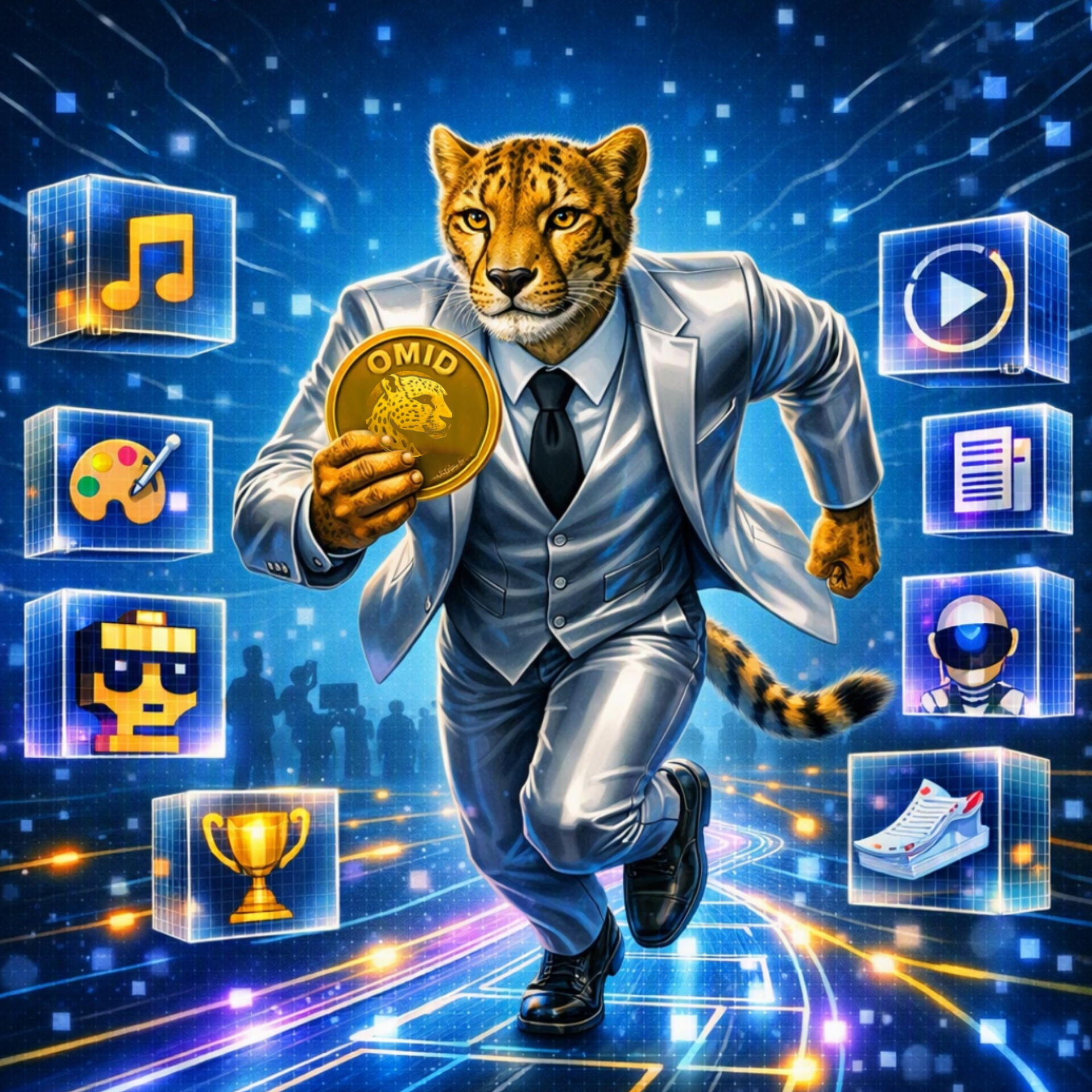
Until a few years ago, an artist depended on galleries and intermediaries to sell their work. A musician needed major record labels to release their music. A writer relied on traditional publishers to be seen. These intermediaries not only took a large share of the revenue but also controlled the content and how it was distributed.
But Web3 is changing this reality. The new creative economy is transferring power from intermediaries to the creators themselves. In this article, we explore how decentralized technologies are redefining the creative economy and how creators can benefit from these opportunities.
What Is the Creative Economy?
Definition
The creative economy refers to the part of the economy based on the creation, production, and distribution of creative works such as art, music, film, design, fashion, literature, and digital content.
Dimensions of the Creative Economy
| Dimension | Description |
|---|---|
| Creation | Producing artistic works, music, writing, etc. |
| Production | Recording, printing, production, and reproduction |
| Distribution | Publishing, broadcasting, exhibiting, and selling |
| Consumption | Watching, listening, reading, and using |
Key Statistics
-
Global creative economy value: Over $2 trillion
-
Employment: Over 30 million people worldwide
-
Annual growth: Over 5% per year
-
Share of GDP: Between 2% and 7% of countries’ GDP
Problems of the Creative Economy in Web2
1. Unfair Revenue Share
| Problem | Description | Example |
|---|---|---|
| Low creator share | Creators receive a small share of revenue | YouTube: ~50% creator share |
| Multiple intermediaries | Each intermediary takes a cut | Publisher, distributor, platform |
| Unfair contracts | Imposed terms on creators | Low royalty rates |
2. Lack of Control Over Works
| Problem | Description |
|---|---|
| Unclear ownership | Platforms claim ownership of content |
| Content removal | Platforms can delete content |
| Changing terms | Platforms change terms unilaterally |
3. Lack of Transparency
| Problem | Description |
|---|---|
| Unclear payments | Lack of transparency in revenue calculation |
| Algorithm manipulation | Content visibility depends on algorithms |
| No access to data | Creators have no access to audience data |
4. Barriers to Entry
| Problem | Description |
|---|---|
| High costs | High production and distribution costs |
| Dependence on publishers | Need for intermediary approval |
| Unequal competition | Advantage of major platforms |
How Web3 Is Transforming the Creative Economy
1. Eliminating Intermediaries
| Solution | Description |
|---|---|
| Direct connection | Creators connect directly with their audience |
| Cost reduction | Intermediary shares are eliminated |
| Full control | Creators have control over their work |
2. Proof of Ownership
| Solution | Description |
|---|---|
| NFTs | Digital proof of ownership for works |
| Immutable | Ownership is recorded and unchangeable |
| Transparent history | Complete history of the work is visible |
3. Automated Royalties
| Solution | Description |
|---|---|
| Smart contracts | Automatic royalty payments |
| Transparency | Clear and auditable calculations |
| Sustainability | Continuous income from secondary sales |
4. New Revenue Models
| Solution | Description |
|---|---|
| Social tokens | Fans support creators by buying tokens |
| NFTs | Selling digital works |
| Attention economy | Rewarding audiences for engagement |
5. Complete Transparency
| Solution | Description |
|---|---|
| Transparent data | All transactions are visible |
| Community oversight | No one can commit fraud |
| Trust | Trust built on transparency |
6. Global Access
| Solution | Description |
|---|---|
| Borderless | Works are accessible worldwide |
| No restrictions | No need for publisher permission |
| Global community | Audiences from around the world |
Web3 Tools for Content Creators
1. NFT Platforms
| Platform | Description |
|---|---|
| OpenSea | Largest NFT marketplace |
| Rarible | Decentralized NFT marketplace |
| Foundation | Digital art platform |
Use case: Selling artwork, music, video, and collectibles.
2. Music Platforms
| Platform | Description |
|---|---|
| Audius | Decentralized music streaming |
| Royal | Buying and selling music royalties |
| Sound.xyz | Music release as NFTs |
Use case: Releasing and selling music directly.
3. Social Platforms
| Platform | Description |
|---|---|
| Lens Protocol | Decentralized social network |
| Mirror | Decentralized writing platform |
| Farcaster | Blockchain-based social network |
Use case: Direct connection with audiences.
4. Social Token Platforms
| Platform | Description |
|---|---|
| Rally | Social tokens for creators |
| Roll | Creating and managing social tokens |
| BitClout | Social network with tokens |
Use case: Creating direct financial relationships with fans.
Benefits of Web3 for Creators
1. Full Ownership
| Benefit | Description |
|---|---|
| Content owner | Creators own their work |
| Full control | Creators determine how it’s used |
| Easy transfer | Creators can transfer their work |
2. Higher Revenue
| Benefit | Description |
|---|---|
| Greater share | Eliminating intermediaries increases creator share |
| Sustainable income | Royalties from secondary sales |
| New models | Social tokens, direct fan support |
3. Direct Connection with Audience
| Benefit | Description |
|---|---|
| No filters | Direct communication with fans |
| Loyal community | Building a strong community |
| Direct feedback | Receiving real feedback |
4. Visibility
| Benefit | Description |
|---|---|
| Transparent algorithms | Clear and fair algorithms |
| Fair discovery | Equal opportunity for visibility |
| Audience control | Access to audience data |
5. Innovation
| Benefit | Description |
|---|---|
| Creative freedom | No platform restrictions |
| New models | Ability to create new revenue models |
| Collaboration | Ability to collaborate with other creators |
Challenges Ahead
1. Technical Complexity
| Challenge | Solution |
|---|---|
| Learning Web3 | Education and learning resources |
| Tool usage | Simpler and more user-friendly interfaces |
| Costs | Using low-cost networks like Polygon |
2. Public Adoption
| Challenge | Solution |
|---|---|
| Low familiarity | Creating educational content |
| Resistance to change | Demonstrating practical benefits |
| Fear of technology | Creating easy user experiences |
3. Market Volatility
| Challenge | Solution |
|---|---|
| Price volatility | Using stablecoins |
| Price bubbles | Long-term, value-oriented perspective |
| Instability | Diversifying income sources |
4. Fraud and Forgery
| Challenge | Solution |
|---|---|
| Fake works | Creator identity verification |
| Scams | Using reputable platforms |
| Identity theft | Strong authentication |
Polygon and the Creative Economy
Due to its low cost and high speed, Polygon provides an ideal platform for content creators in the creative economy.
Benefits of Polygon for Creators
| Benefit | Description |
|---|---|
| Low cost | Publishing works with negligible fees |
| High speed | Instant transaction confirmation |
| Accessibility | Participation for creators with limited budgets |
| Rich ecosystem | Diverse tools and platforms |
Polygon Applications in the Creative Economy
-
Minting NFTs at very low cost
-
Releasing music and content
-
Creating social tokens
-
Launching creative communities
Omid Coin and the Creative Economy
Omid Coin, as a project operating on the Polygon network, supports the values of the creative economy and creator empowerment.
Shared Values
| Value | Connection to Omid Coin |
|---|---|
| Empowerment | Omid Coin is committed to empowering users through technology |
| Accessibility | Striving to make technology accessible to everyone |
| Innovation | Supporting creativity and innovation |
| Justice | Creating equal opportunities for everyone |
Omid Coin = Good Technology = Better Life
The Future of the Creative Economy
Emerging Trends
| Trend | Description |
|---|---|
| Metaverse | Virtual worlds for creativity and interaction |
| Artificial Intelligence | AI-powered creative tools |
| Personalization | Personalized content for each user |
| Global collaboration | Creators collaborating from around the world |
| New valuation | New models of value assessment |
Predictions
-
By 2028: Over 50% of content creators will use Web3
-
NFT market: Will continue to grow and diversify
-
Social tokens: The dominant model for creator support
-
Decentralization: Breaking the monopoly of major platforms
Summary
The creative economy in the Web3 era has created an unprecedented opportunity for content creators to have more control, ownership, and revenue from their works.
Key Achievements:
-
Eliminating intermediaries: Direct connection with audiences
-
Full ownership: Creators own their works
-
Fair revenue: Greater share and automated royalties
-
Complete transparency: All transactions are visible
-
Global access: No geographical restrictions
The Polygon network, by providing low-cost and fast infrastructure, has made these opportunities accessible to all creators. Projects like Omid Coin, operating on Polygon, represent a movement toward a future where creativity and innovation are accessible to everyone.
FAQ
1. What is the creative economy in Web3?
An economic system where content creators, using blockchain and decentralized technologies, have more control and revenue from their works.
2. What is the difference between the creative economy in Web2 and Web3?
In Web2, creators depend on centralized platforms, but in Web3, creators have full control over their works and revenue.
3. How do NFTs help creators?
NFTs allow creators to sell their works as unique assets and receive royalties from secondary sales.
4. How much does it cost for creators to use Web3?
With networks like Polygon, the cost is very low and accessible to all creators.
5. Do content creators need technical knowledge to enter Web3?
Deep technical knowledge is not required to start, but learning basic blockchain concepts is helpful.
6. What role does Polygon play in the creative economy?
Polygon provides low-cost, fast infrastructure for creators to publish and sell their works.
7. How does Omid Coin support content creators?
Omid Coin supports creator empowerment by promoting decentralized and accessible technologies.
8. What is the future of the creative economy?
With the growth of Web3 and adoption of decentralized technologies, the creative economy is moving toward transparency, fairness, and universal access.


